
Real Estate
Minneapolis City Council advances data center plan, lays out rules
By Marcus Chen
Advertisement · Why this ad?
Marcus manages the day-to-day editorial workflow across all brands, coordinating coverage assignments and ensuring editorial standards are met. He previously served as city editor at the Pioneer Press and holds a degree in Political Science from Carleton College.
More from Marcus →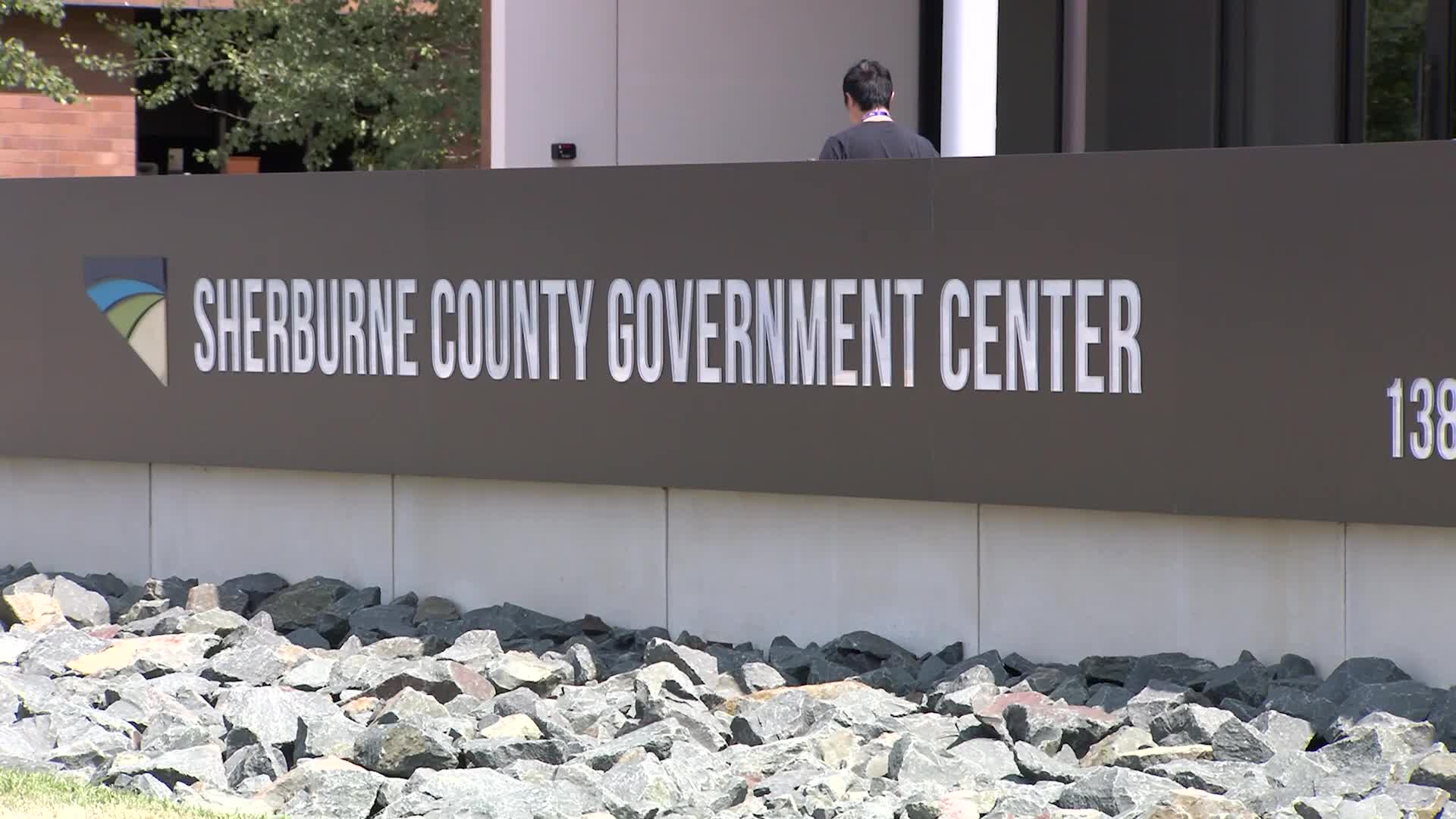
Minnesota county says long-term services and supports costs are exploding Harrison Klopp KSTP County leaders say rising long-term care costs could become a major driver of future property tax levy increases. Sherburne County commissioners are in the final stages of the 2027 budget, and Commissioner Andrew Hulse said the county is on pace to face a major financial problem tied to long-term services and supports. Those services include nursing homes, assisted living and other care facilities. “We’ve got a significant issue moving forward across the state with Long Term Support Services,” Andrew Hulse said. Counties were previously asked by the state to administer and oversee the programs, but the state is now mandating counties to pay for private staff to provide that care. That cost was previously handled by the state. “It will probably be the single biggest growth factor of Levy’s going forward if this growth rate continues,” Hulse said. Sherburne County will spend around $1 million on long-term services and supports programs next year. Over the last eight years, the county’s spending on those services has risen 300%. The county also expects that growth to continue, pointing to a 225% increase over the last decade in people who use disability services. Addyson Carpenter of the Minnesota Statewide Independent Living Council said demand is growing for several reasons. “I think a lot of them are exploding because of an aging population here in Minnesota, Minnesota is known to be one of the better states to live in for disability services,” Addyson Carpenter said. Carpenter was on the state’s 2025 long-term services and supports advisory group that was tasked with finding cuts to the programs. She said the services are needed, but she agreed the pace of growth has put pressure on taxpayers. “The only way that the counties are going to be able to afford it, is to raise property taxes which isn’t a great answer either,” Carpenter said. We are also hearing from the Association of Minnesota Counties on this topic, adding it’s a statewide problem: “Counties can confirm that LTSS costs are increasing statewide and are committed to working to ensure older adults and disabled Minnesotans still have access to the critical services they need. The answer to this challenge and the overall rising cost of these services has never been to pass the costs county taxpayers. In last year’s legislative session, counties brought forward options to shift the cost trajectory toward sustainability. This year’s session will see more ideas emerge from the LTSS legislative advisory group and other sources. We hope that the legislature will implement the cost-reducing changes while recognizing the general unsustainability of passing costs to local levies.” DHS also responded to our questions on the story: Does DHS feel like counties are covering too much of the cost for these programs right now? Minnesota has a state-supervised, county-administered human services system. DHS supervises, monitors and supports counties in carrying out these duties. If the legislature passes laws increasing administration costs to counties, DHS implements these laws as required. Why are the demand for these programs growing? Sherburne County has seen a 225% increase in these programs in just the last decade? Several of the Long-Term Services and Supports programs supporting people with disabilities previously had waiting lists. When these waiting lists ended in the last decade, the programs began serving more people. A recent report from the State Demographic Center notes: “In 2025, about 11.5% of all Minnesotans reported having at least one disability, a figure that has been increasing across recent decades. Continued growth in the number and percentage of Minnesotans with disabilities is anticipated, given the overall aging of our state’s population and rising disability prevalence later in life.”
By Marcus Chen

By Katherine Langford

By Marcus Chen

By Katherine Langford