Community
Minnesota election spending: Why close races draw millions
By Katherine Langford
Advertisement · Why this ad?
Katherine oversees editorial operations across all six brands. Before joining The Meridan Group, she spent 14 years at the Minneapolis Star Tribune, where she led the metro desk through its digital transformation. She holds a Master's in Journalism from Northwestern's Medill School.
More from Katherine →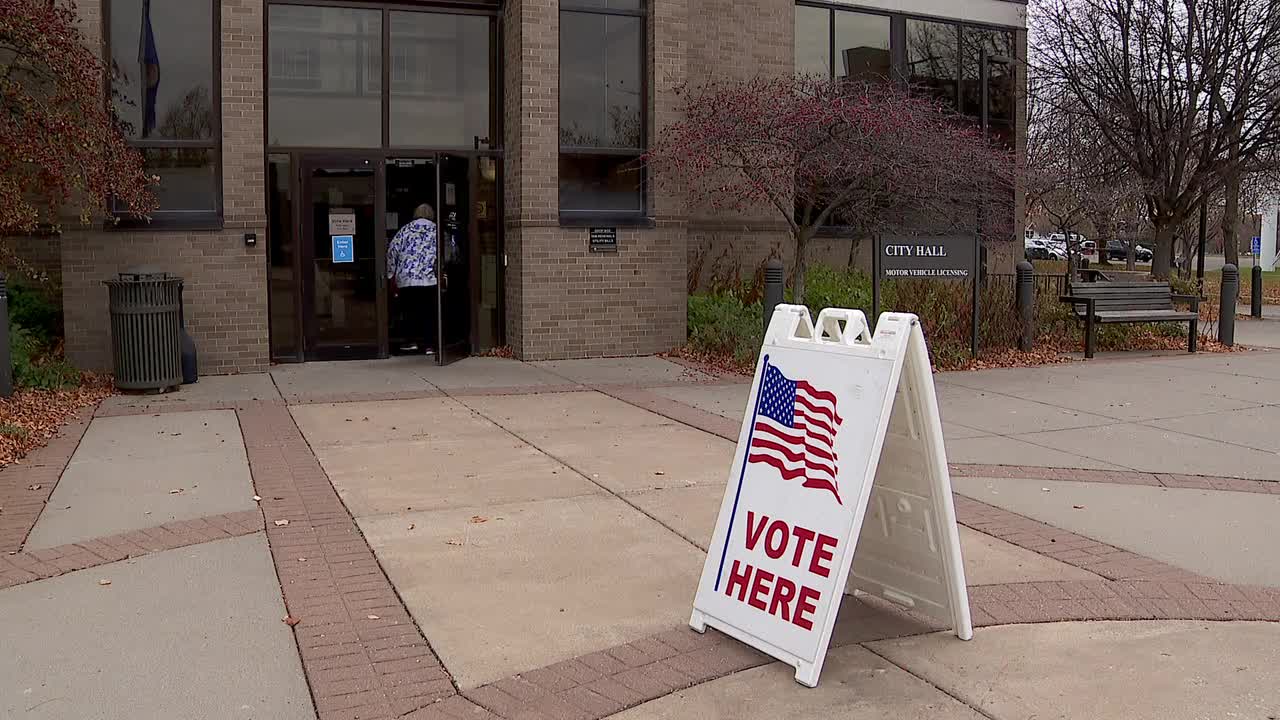
As the sun began to rise over Minneapolis on a crisp autumn morning, voters lined up outside their local polling places, eager to cast their ballots. The atmosphere buzzed with anticipation, a palpable sense of civic duty filling the air. This year, however, the energy was amplified by a remarkable achievement: Minnesota has set a new statewide early voting record for the upcoming 2026 midterm elections, with a staggering 61.3% increase in ballots accepted compared to the same period during the 2022 midterms.
According to the Minnesota Secretary of State's office, the surge in early voting reflects a growing trend among residents to engage with the electoral process well before Election Day. This increase is not merely a statistical anomaly; it signifies a deeper commitment from the community to participate in democracy. In total, over 1.5 million votes have already been cast, a clear indication that Minnesotans are taking advantage of the early voting opportunities provided by the state.
The early voting period began on September 23, 2026, and will continue until November 7, 2026, allowing voters ample time to make their voices heard. This extended timeframe is crucial for many, as it accommodates varied schedules and personal commitments, enabling a broader demographic to participate.
Early voting has been a significant aspect of Minnesota's electoral landscape since its introduction. The state has consistently been a leader in voter turnout, and the current trend suggests that this commitment to civic engagement is only strengthening. In the 2022 midterm elections, Minnesota saw a turnout of 79.9%, one of the highest in the nation. This year, with early voting on the rise, officials are optimistic that the state will continue to lead by example.
Factors contributing to this increase include enhanced outreach efforts by local election officials and community organizations. Initiatives aimed at educating voters about the early voting process have proven effective in dispelling misconceptions and encouraging participation. According to the Minnesota Secretary of State, the focus on accessibility and convenience has made a significant difference in voter engagement.
Community organizations have played a pivotal role in this early voting surge. Groups such as the Minnesota League of Women Voters and local civic engagement initiatives have mobilized efforts to inform voters of their rights and the various voting options available. Their grassroots campaigns have emphasized the importance of early voting, particularly for those who may face barriers on Election Day.
“We’ve seen an incredible response from the community,” said Sarah Johnson, a local volunteer with the League of Women Voters. “People are excited to have the opportunity to vote early, and it’s our job to ensure they know how to do it.” The enthusiasm among voters is evident, as many express gratitude for the flexibility that early voting provides, allowing them to prioritize their families and commitments without the stress of long lines on Election Day.
The community response to the early voting record has been overwhelmingly positive. Local leaders and residents alike view this increase as a sign of an engaged and informed populace. Mayor Jacob Frey of Minneapolis commended the efforts of election officials and community organizations in facilitating this record turnout. “Minnesota is a state that values participation and democracy,” he stated. “This record is a testament to our commitment to making every voice heard.”
Residents have shared their experiences with early voting on social media platforms, praising the convenience and accessibility it offers. Many have expressed that early voting has allowed them to avoid the chaos that often accompanies Election Day, particularly for families balancing work, school, and other obligations.
Local resident Maria Gonzalez, a mother of three, shared her experience: “I was worried about how I would manage to vote with my kids’ schedules. Early voting has made it so much easier for me to find a time that works.” Her sentiment echoes that of many parents in the community, who appreciate the flexibility that early voting provides.
The implications of this early voting record extend beyond the immediate election cycle. Increased voter participation is a cornerstone of a healthy democracy, and Minnesota's proactive approach serves as a model for other states. As the nation grapples with issues of voter accessibility and engagement, Minnesota’s example highlights the importance of creating pathways for all citizens to participate in the electoral process.
Looking ahead, local officials are committed to maintaining this momentum. Plans are already in place to enhance early voting initiatives for future elections, including expanding locations and increasing outreach efforts. The goal is to ensure that every eligible voter has the opportunity to make their voice heard, regardless of their circumstances.
While the early voting record is a significant achievement, challenges remain. Some community leaders express concerns about the potential for voter fatigue as the election draws closer. “We need to keep the momentum going and ensure that people remain engaged,” noted community activist David Lee. “We can’t afford to take our foot off the gas; we need to ensure that everyone understands the importance of their vote.”
Additionally, as participation increases, election officials will need to ensure that the infrastructure can handle the volume of voters. This includes not only the physical locations but also the technology used for voting and counting ballots. Continuous investment in these areas will be crucial to maintain the integrity and efficiency of the electoral process.
For those looking to participate in the upcoming elections, resources are readily available. The Minnesota Secretary of State's website offers comprehensive information on early voting locations, registration, and voting rights. Residents can visit Minnesota Secretary of State for details on how to vote early and ensure their voices are counted.
Additionally, local organizations such as the League of Women Voters of Minnesota provide valuable resources and assistance for voters. Their commitment to educating the public about the voting process is invaluable in fostering a well-informed electorate.
As the 2026 midterm elections approach, Minnesotans are reminded that their participation is not just a civic duty but a powerful way to influence the future of their communities. With the record early voting turnout, the state sets an example for others to follow, demonstrating that when citizens are given the tools and opportunities to vote, they will rise to the occasion.
By Katherine Langford

By Marcus Chen
By Marcus Chen

By Marcus Chen